20-year-old Jullian shares his story of being diagnosed with neuroblastoma as a toddler and the lasting impact the disease has had on his life.
I don’t remember much about my neuroblastoma diagnosis to be honest. Being so young was actually a blessing in some ways. I was in preschool at the time, so I wasn’t really missing out on school and everything just felt normal for me. I don’t have a lot of memories from that time, but I’ve heard stories from my family and friends about what happened.
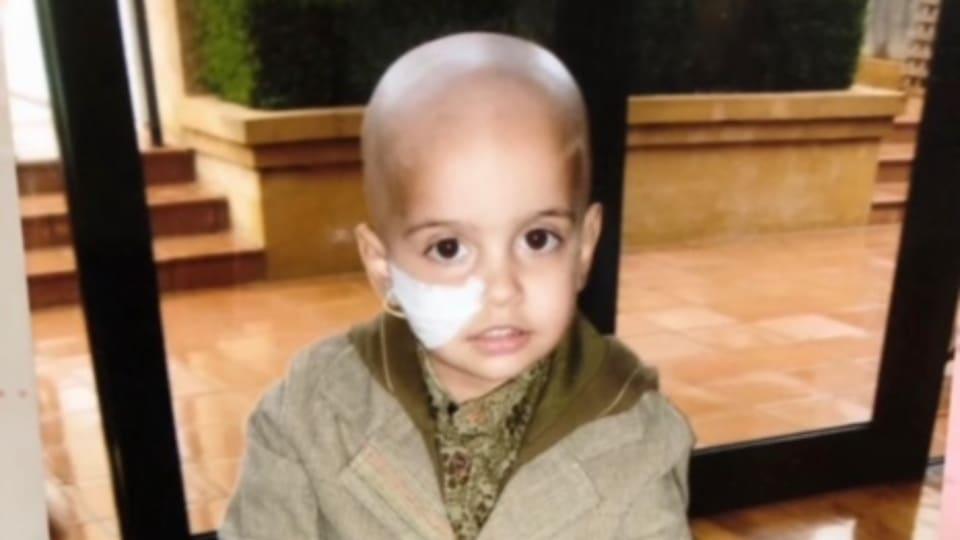
I do remember some things from the hospital though. There were toys in my room, and I had all sorts of little gifts and fun things to keep me occupied. I had stuffed animals and photos around me, and I remember my family telling me how brave I was.
Those little things stuck with me, even though I don’t have clear memories of what it was actually like.
As I got older, I started to understand more about the regular hospital visits that needed to happen after treatment had finished.
For a while, we went every three months for assessments to make sure I was still cancer-free. Back then, I didn’t think much about it. It was just what we did, like going to the doctor for a check-up.
Around the age of ten, things became harder to deal with. Some of the scans or assessments were invasive and uncomfortable and I really didn’t want to go. However, I knew it was part of my life, and I couldn’t dwell on it too much – I had to just go along with it.
Heading into my teenage years I started to realise how much the treatment affected my body. Every year, something new would happen – another injury or side effect. Over time, I understood that these things were the result of the treatment, even if it took years for the doctors to figure it out.
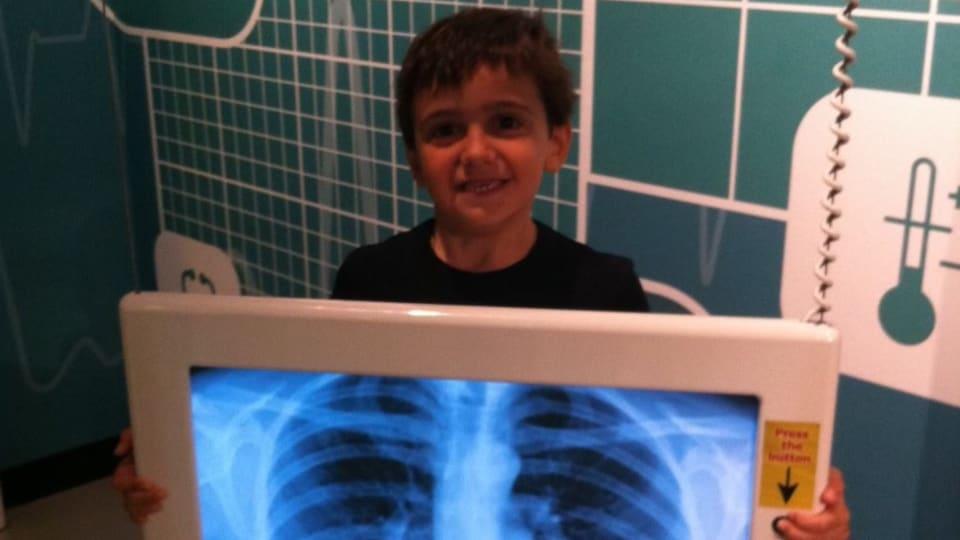
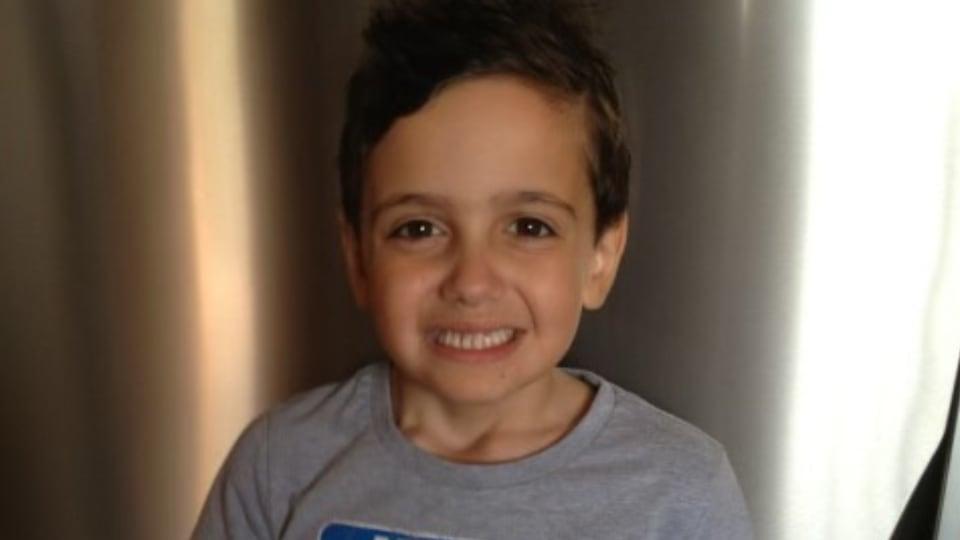
I’m 19 now and I still see my oncology team regularly. There’s always a new health challenge to deal with, but I’ve learned to live with it. It can be frustrating, but I’ve got a lot of support from my family, my friends, and my doctors. They help me get through the tough times.
As I grew older, I also started to understand the impact the experience had on me mentally. It wasn’t just the physical stuff – there were times when it made me feel a little different from other kids.
I’m always going to have something in my mind that’s a result of the treatment. It’s been very important to seek help with that too – from my family, and even professional therapists and counsellors. I continue to work through it and I’m proud of what I’ve achieved.
As a young adult, I’ve made it through something really tough, and I know that means I can handle whatever comes next.
I’ve also found that I want to give back and help others who are going through similar things. I’m passionate about cancer treatment and the role rehabilitation plays in recovery.
I started researching how exercise can help kids who are going through treatment, even if they can’t do much. It’s not just about building strength – it really helps with mental health too. That’s something I want to be involved in, because I know how important it was for me to have support like that.
I really enjoy going to the gym and focusing on strength training. It’s a good way for me to stay focused and in control of my health. I’ve learned a lot about my body and how to work with it. I’ve found that things like swimming and bike riding are great low-impact ways to stay active and healthy, and they’re good for both the body and the mind.
Looking back on everything, I think the most important thing I’ve learned is that it’s crucial to accept the challenges early on.
Going through all of this has taught me that while the experience is definitely part of my journey, it doesn’t define me. As I look ahead, I want to use my experiences to help others who are going through similar struggles.
For kids who are going through this now, especially older kids who might remember more of what’s happening, it’s important to make things feel as normal as possible. They might not fully understand everything at first, but they can learn to accept it.