
Theodore has a fighting spirit but wouldn’t be alive today without medical research. Theodore’s family share their story,
The Hilton family was excitedly expecting the birth of their third son in October 2018. An ultrasound, while Roxanne was 35 weeks pregnant, revealed a lump in the baby’s abdomen. The word “neuroblastoma” was used, but quickly disregarded due to the rarity of the cancer in a baby while in utero.
Four weeks after Theodore’s birth, the shock diagnosis was confirmed. The lump was cancer. Stage 4 neuroblastoma.
The primary tumour site (his left adrenal gland) had grown and the disease had metastasised to his liver. This was the first time the family walked into the paediatric oncology ward at Queensland Children’s Hospital – clutching their tiny baby.
After surgery to remove a sample of the tumour, pathology results showed that the risk factors were low. The plan was to wait and watch, in the hopes that the cancer was a special kind of neuroblastoma (stage 4S), which is a unique category for infants with a high rate of spontaneous tumour regression.
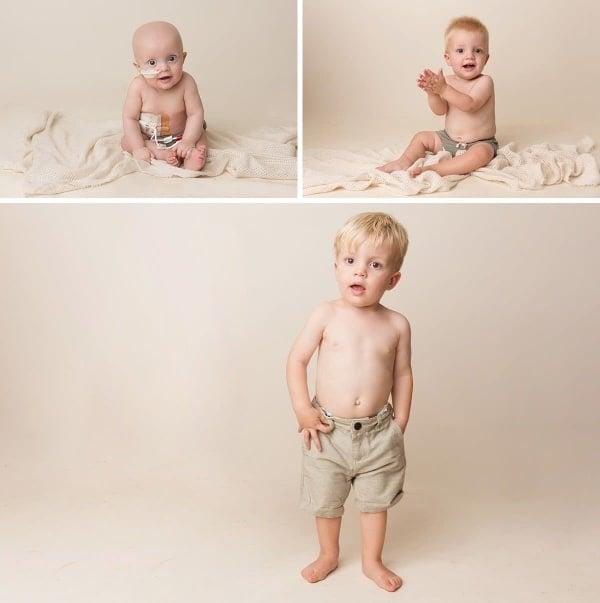
By February 2019, the cancer was spreading rapidly and there was no sign of regression – the primary tumour on the left adrenal gland was the size of an orange, his liver was riddled with hundreds of tumours, the disease had spread to the right adrenal gland, bone marrow, skull, skin, and around the aorta.
Theodore commenced emergency chemotherapy treatment at four months of age while in intensive care. He wasn’t expected to survive the first night.
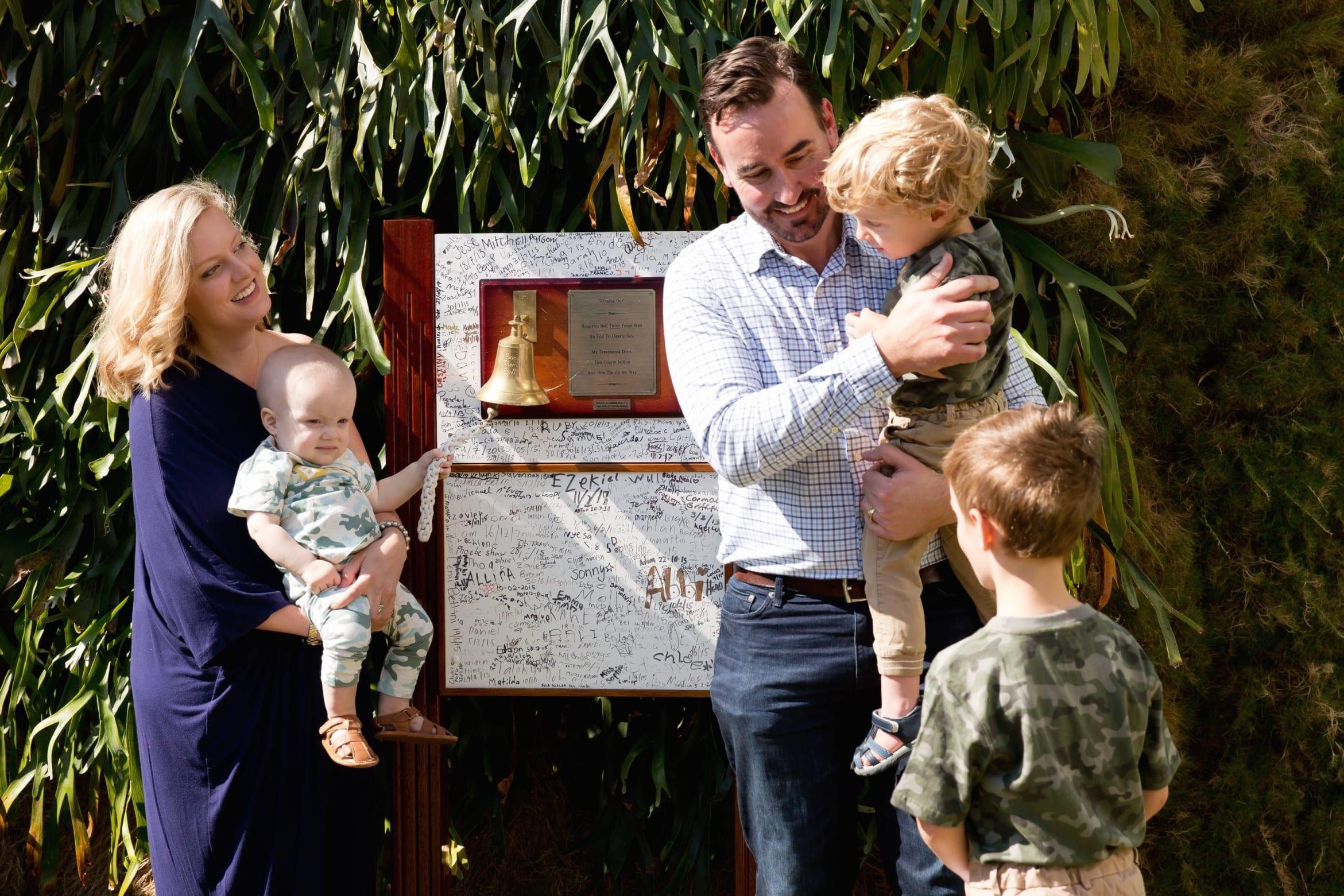
Theodore has a fighting spirit. During eight rounds of chemotherapy, he fought numerous life-threatening infections. Just before Theodore’s first birthday, the happiest news was received: there was no sign of disease. Theodore rang the end of treatment bell.
As a bubbly two-year-old, Theodore still has three monthly scans and tests. The long-term effects of the chemotherapy on his growing body are not yet known.
Theodore wouldn’t be alive today without medical research. More research is desperately needed to find treatment options that are safer and improve the quality of life for kids with neuroblastoma.