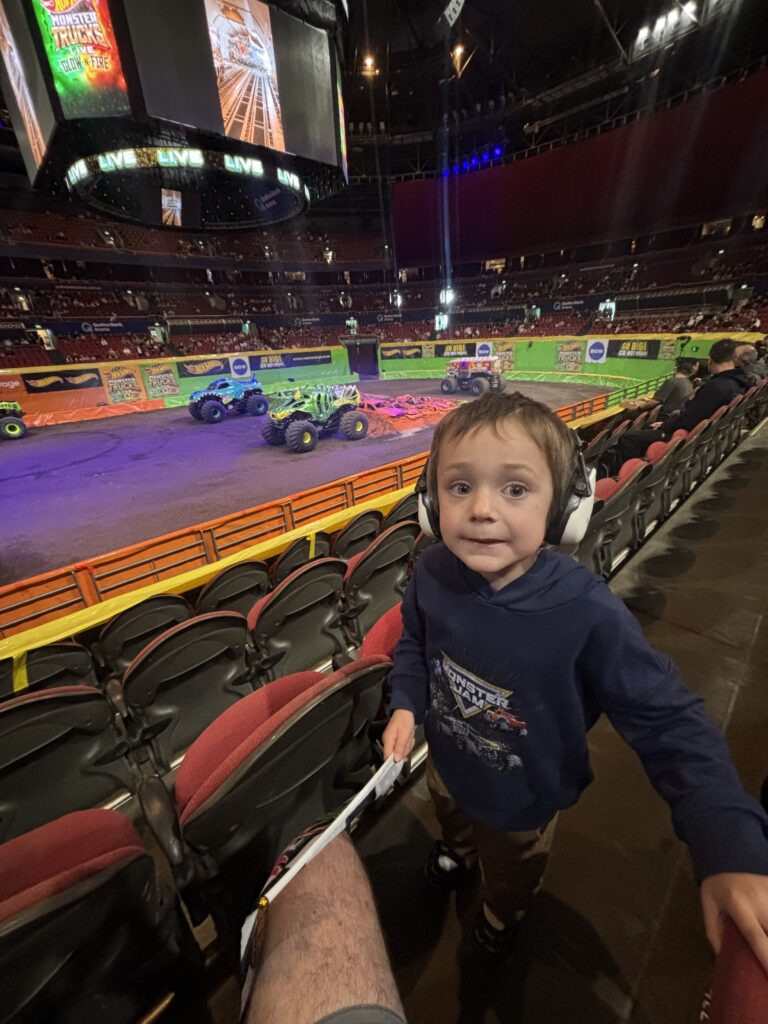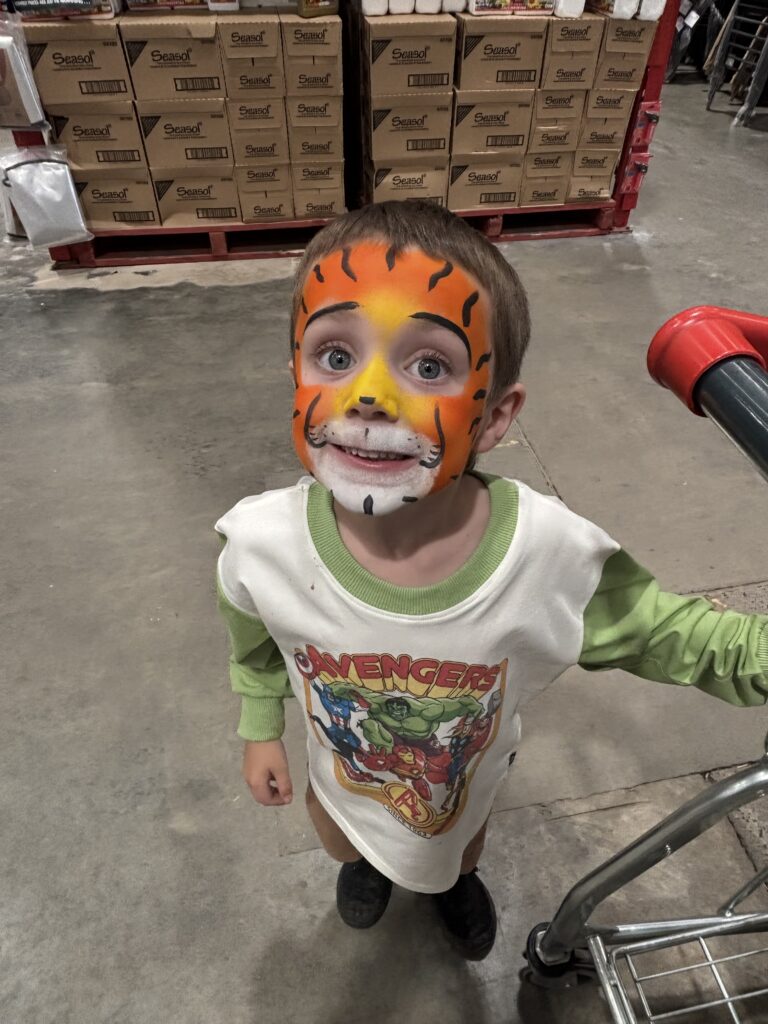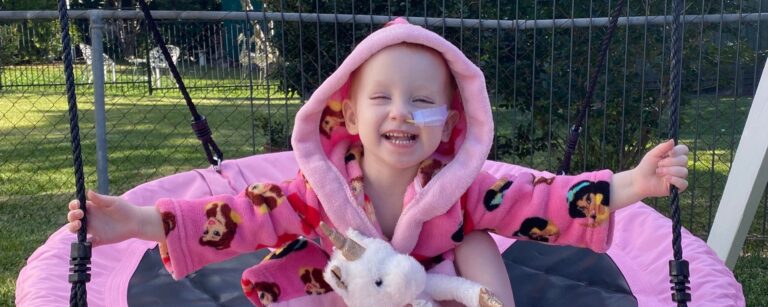

Just before Jackson turned one, his family noticed his right leg began to go limp and was dragging behind him as he crawled. After investigation, Jackson was diagnosed with neuroblastoma. His dad, Andrew, tells us their story,
While Jackson wasn’t showing any signs of pain or discomfort, we felt uneasy about what was happening with his right leg. Seeking some answers, we took him to Hornsby Hospital, where he underwent a series of tests including X-rays and CT scans. However, after almost one week the results remained inconclusive, and his condition worsened.
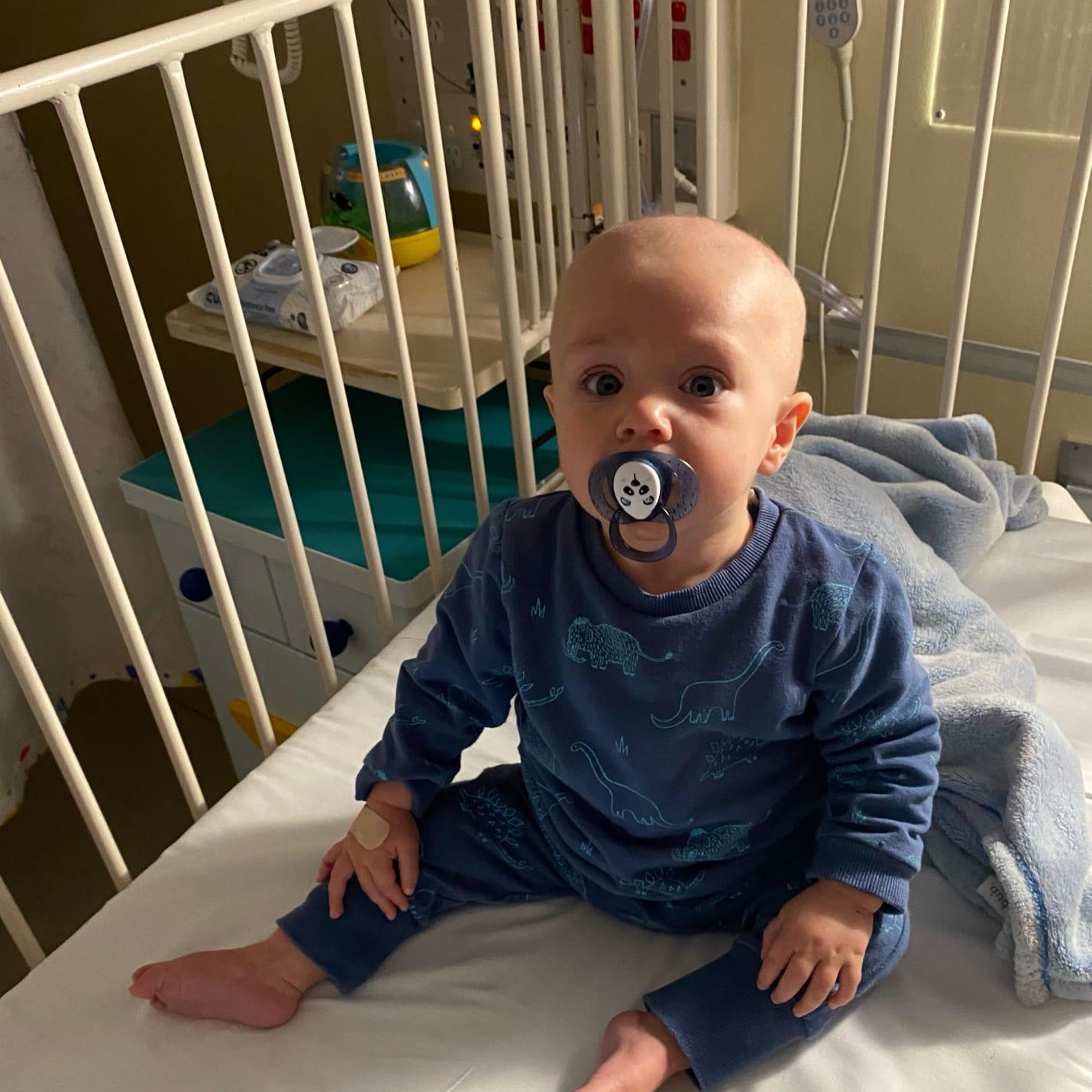
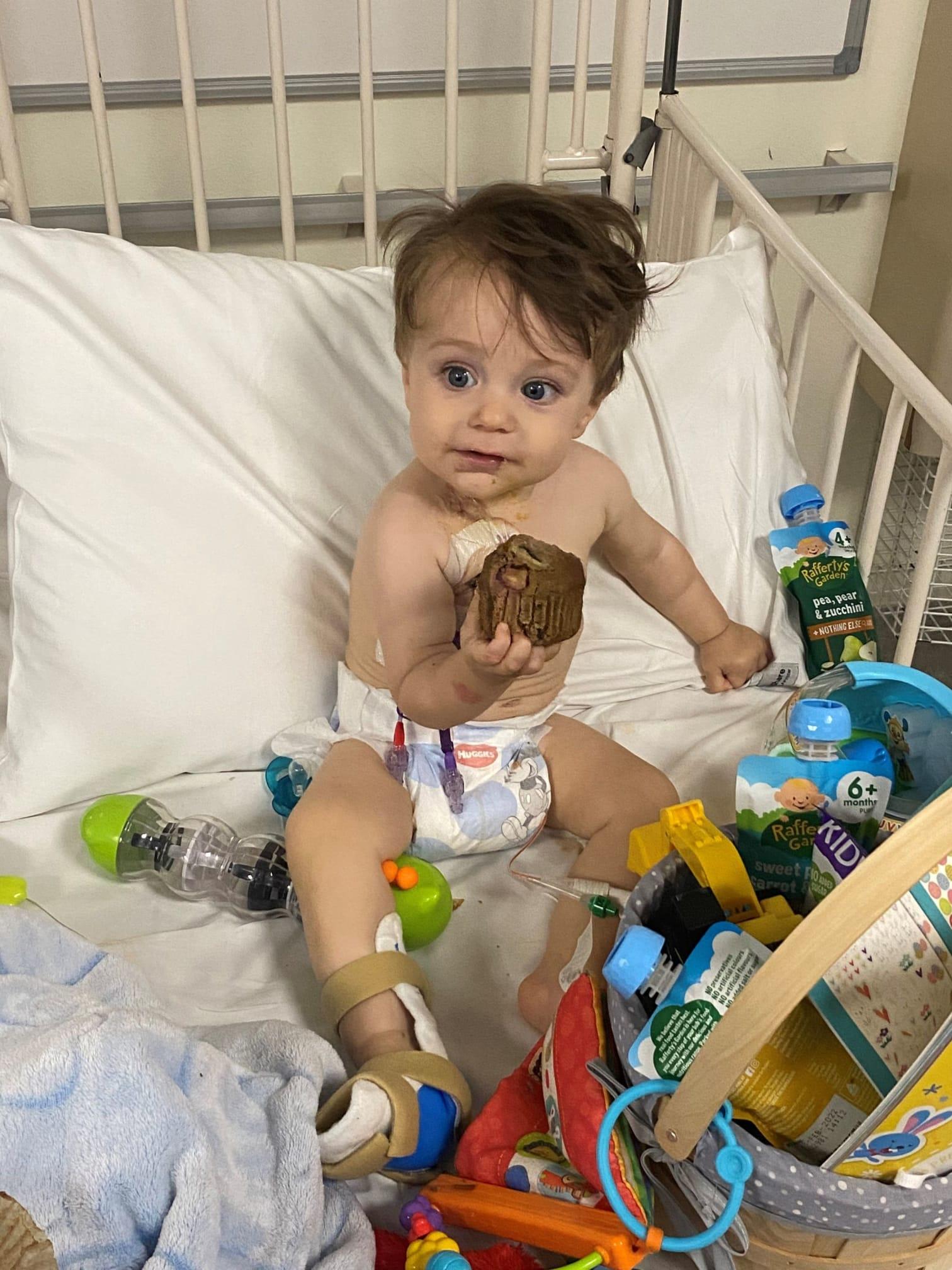
In a rush to find answers, we were transferred to The Children’s Hospital at Westmead. There, an MRI revealed a tumour constricting around his kidney and spinal cord, explaining the paralysis in his legs. With Jackson’s health rapidly declining, emergency surgery was essential to alleviate the pressure.
Following the surgery, Jackson spent days in ICU, recovering in an induced coma. It was during this time that he was diagnosed with neuroblastoma, a term unfamiliar to us until then.
The influx of information was overwhelming, and it’s all a bit of a blur. At the same time we were informed that not only would he likely never walk or run, but there was a high probability he might never regain mobility in his legs due to nerve damage from the compressed spinal cord.
For the next three months, as Jackson underwent further surgeries and rounds of chemotherapy, Ronald McDonald House Westmead became our temporary home – including for Jackson’s then three-year-old sister, Annabelle.
While efforts were made to eradicate the tumour, parts of it still remain due to the risks involved in operating near the delicate spinal cord. Fortunately, the tumour remains benign, but Jackson still has to have regular scans to monitor any changes.
The journey through Jackson’s illness was full of uncertainty, and we quickly realised that each child’s experience with neuroblastoma is unique. There is a critical need for more research into tailored treatments to better understand and combat this disease.

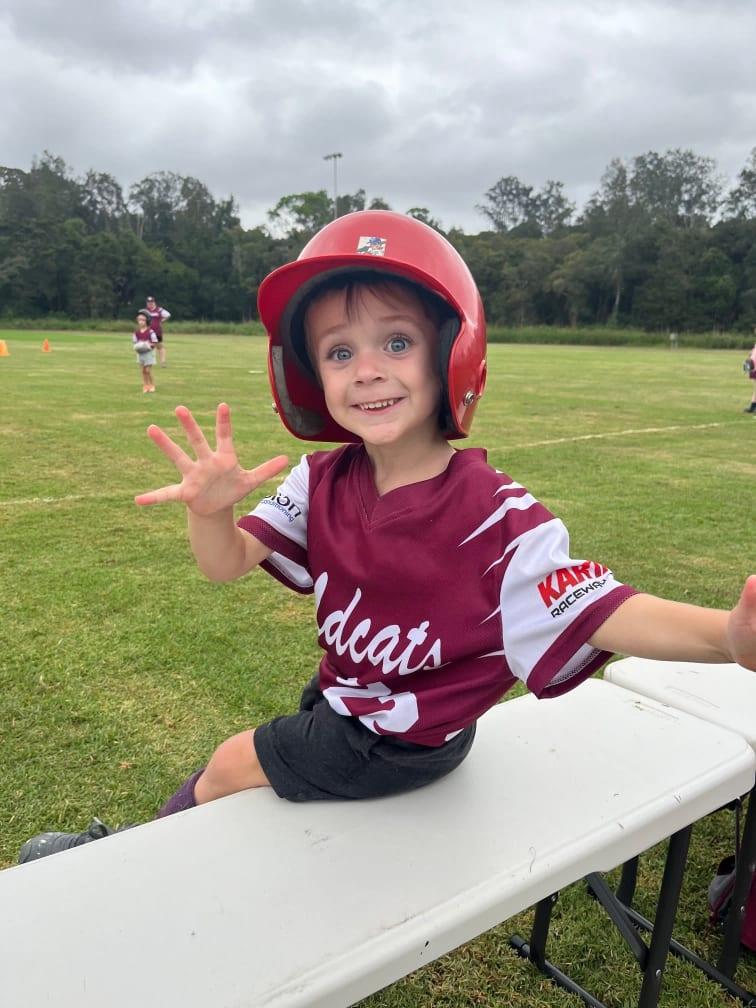
Despite the challenges, Jackson’s recovery is going well. Defying the odds, he is now almost four and has regained full mobility in his legs and even begun playing tee ball this year.
Regular visits to Westmead for check-ups and therapies for AFOs (ankle-foot orthoses) for his legs are now part of our routine, he also has physio once every two weeks as well as hydrotherapy.
Overall, we are incredibly pleased with his progress and remain positive about the future.