Rosalie was a busy mum co-running the family business when her youngest child, Jullian, developed symptoms similar to a common cold. While seemingly benign, Rosalie couldn’t shake the feeling that something wasn’t right. She shares her story of how her toddler was eventually diagnosed with Stage 4 neuroblastoma,
Jullian was almost three when he seemed to develop virus-like symptoms that he couldn’t shake—runny nose, tummy troubles, just general unwellness. Over time, a swelling on his neck appeared and the flu-like symptoms persisted. At first, doctors dismissed it as another viral infection, but I felt it was something more than that.
Eventually we were referred to a specialist. An ultrasound revealed a nodule on Julian’s neck however, we were shocked when further examination revealed an orange-sized tumor on his adrenal gland. The doctors didn’t immediately tell us it was neuroblastoma, but I could tell they were very concerned. I had never heard of neuroblastoma, and honestly, I hadn’t even known that children could get cancer.
We were sent to hospital, where the reality of the situation hit us. I’ll never forget the moment we found out that Jullian’s tumor was Stage 4 neuroblastoma. That was the point where everything changed.
The doctors outlined his treatment plan: six rounds of chemotherapy, followed by surgery to remove the tumor, a bone marrow transplant, and then radiation.
The treatment was grueling. The first phase lasted about eight months, and it felt like time was both crawling and flying by. After chemotherapy, Jullian underwent surgery to remove the tumor, followed by a long recovery. I remember the doctors telling me that the chemo he would receive was so strong it could kill an elephant.
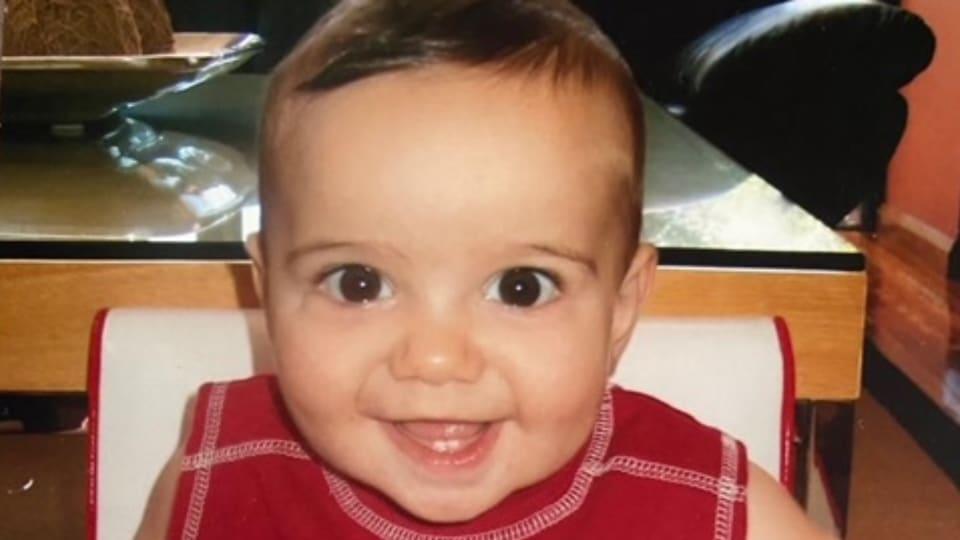
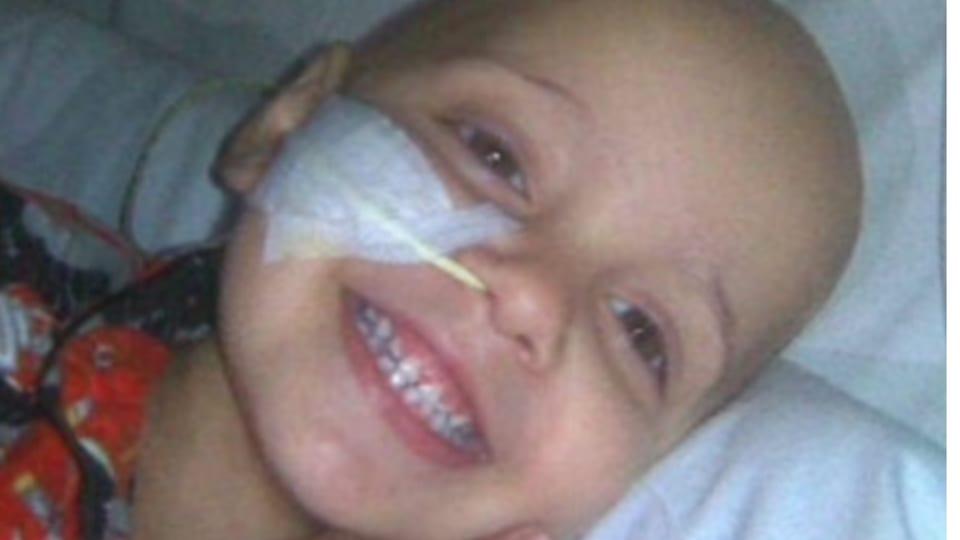
The treatment wiped out his immune system entirely, and for weeks he couldn’t leave the sterile hospital room. Visitors were limited, and we had to be extremely careful about germs. That was one of the hardest parts for me. Seeing Julian’s body brought so low, and watching him struggle to regain his strength – it was a rollercoaster, and nothing could prepare me for how intense and exhausting the process would be.
As a family, we did our best to adapt to a new rhythm. I continued running the admin side of our family business from the hospital, but everything else was secondary. Our focus was solely on Jullian. Every few weeks, we’d go home for short breaks, but it never lasted long—Jullian’s fever would spike, or his blood counts would drop, and we’d be back in the hospital.
Jullian’s older sister was five, and the experience was equally overwhelming for her. She didn’t fully understand what was happening, but Jullian would often call for her, and we made efforts to bring her into the hospital when we could. It was important to maintain their bond during such a difficult time.
At times, I found it almost impossible to take in the full extent of what was happening. There was so much to process, and so little time to reflect. One thing that helped me cope was journaling. Writing down my thoughts and feelings gave me a way to organise the chaos in my mind and find some sense of peace during the storm.
After the transplant, Jullian continued to undergo radiation. Through it all, I had moments of doubt, fear, and exhaustion. But we did manage to find moments of joy—when Jullian was feeling better as his platelets returned to normal, when he’d play with his sister, or even open presents from friends on Christmas Day. Those moments helped keep us going.
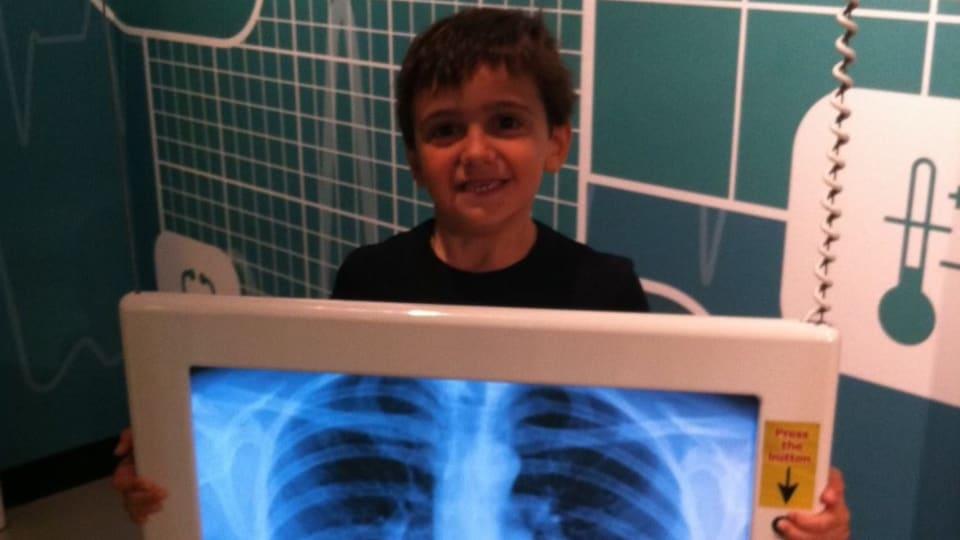
Jullian’s treatment lasted over a year and a half, with the chemotherapy phase lasting about eight months. But even after treatment finished, the journey didn’t end. We continued with regular scans and follow-up appointments, always living with the uncertainty that cancer might return.
Throughout this ordeal, our faith and gratitude played a big role in helping us through. We had a strong community around us, including family, friends, and even strangers who rallied behind us. People organised fundraisers, held masses, and sent us countless prayers. The connections we made with other families facing similar battles were invaluable.
Looking back, I am incredibly grateful for the research that allowed us to access treatments that saved Jullian’s life. The funding that supports these treatments is essential. Without it, families like ours would not have access to the care that can make a difference between life and death.
To other families currently going through this, my advice is simple, don’t be afraid to lean on others for support, and take things one day at a time. I know it feels impossible, and there will be moments when you feel like you can’t go on, but you’re stronger than you think.
Jullian is 19 now and doing so well. He continues to deal with health challenges related to the toxicity of his treatment, but he’s happy, and full of life. Every day, I’m grateful to have him with us.
Jullian has also kindly shared the story of his experience with us. You can read Jullian’s story here.