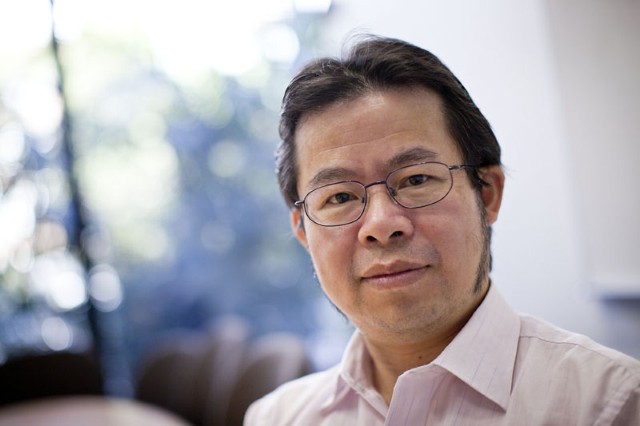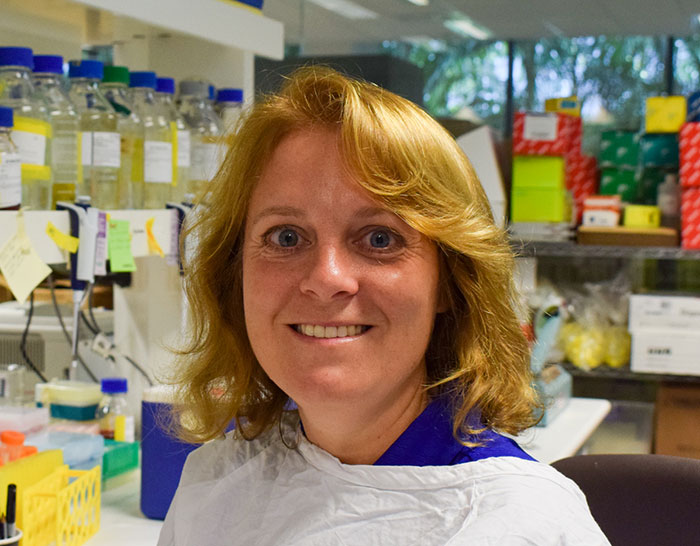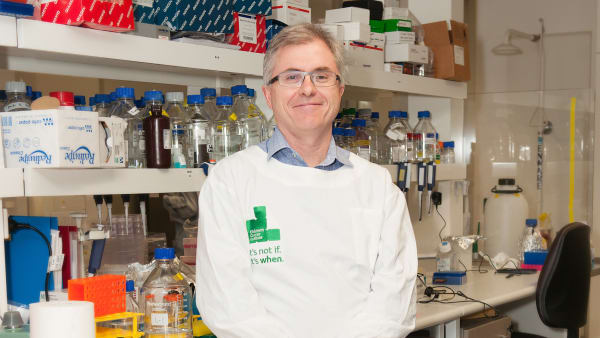
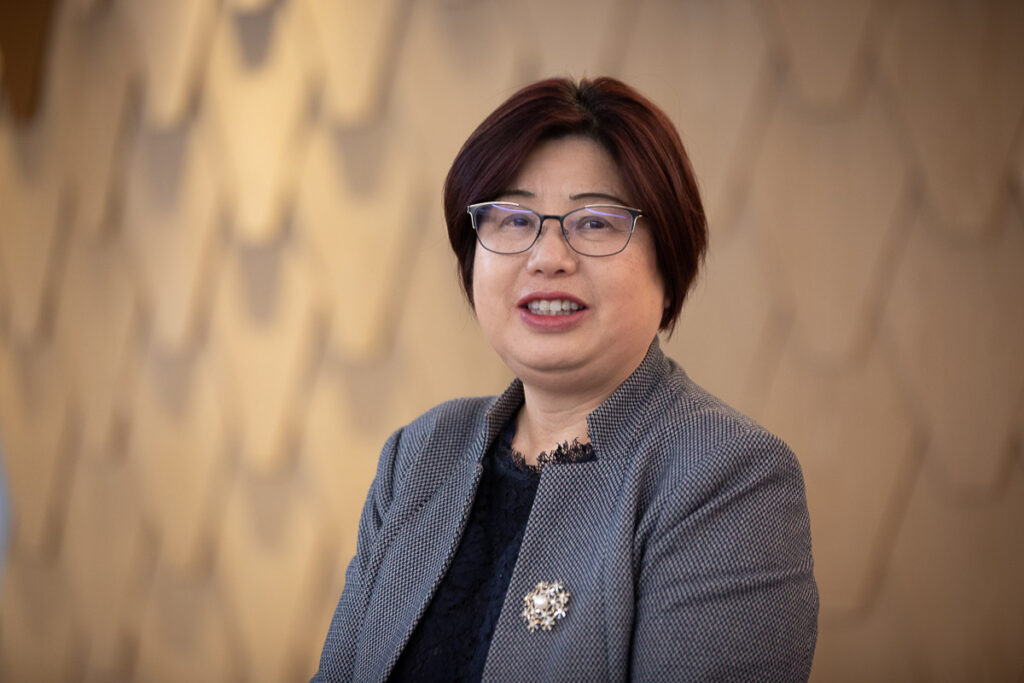

Neuroblastoma Australia is delighted to be partnering with the Kids’ Cancer Project to fund a project led by Assoc. Prof. Belamy Cheung, Principal Scientist – Program Manager, from the Children’s Cancer Institute.
Following an in-depth review of Assoc. Prof. Cheung’s proposal by our world class Scientific Advisory Board it was we recommended support this research project, alongside Kids’ Cancer Project, as it demonstrated exceptional research quality and the potential to make a difference to treatments.
Assoc. Prof. Belamy Cheung from the Children’s Cancer Institute will study the potential for combined therapies to deliver neuroblastoma treatments that are compatible with children’s bodies and therefore less toxic and less likely to leave children with long-term health challenges.
Development of novel therapeutics to treat neuroblastoma with reduced toxicity
This research addresses a critical need for children with neuroblastoma, a childhood cancer that is under-studied, and for which there are no effective therapies due to its relative rarity and receives little research funding from pharmaceutical companies.
Most cancer chemotherapeutics today are general cytotoxins, that are highly toxic to normal tissues, and have been in use for more than 40 years.
Assoc. Prof. Cheung’s project is focused on identifying genes responsible for driving tumour growth and finding compound combinations which can target these genes more effectively.
One third of childhood cancer survivors have a major health problem in young adulthood, and there is an urgent need for new drugs with high specificity for cancer cells and low toxicity for the normal growing tissues of a child.
Achieving Neuroblastoma Australia’s Mission
Assoc. Prof. Cheung’s project aligns directly with Neuroblastoma Australia’s mission to develop treatments which are more effective in treating high-risk neuroblastoma with reduced toxicity, ultimately to find a cure for neuroblastoma.
Assoc. Prof. Cheung’s team has discovered a new tumour promoting gene in neuroblastoma, called SLC25A5, and identified a new drug that targets SLC25A5, called PENAO. They have also developed an effective drug combination (PENAO + SAHA) treatment against neuroblastoma.
In the proposed project, they aim to further improve the efficacy of this combination therapy so they can rapidly translate these findings to the clinic and directly benefit children with high-risk and relapsed neuroblastoma.
Project Update 2025
Assoc. Prof. Belamy Cheung and her team have made significant progress in their quest to test innovative treatment strategies for children with MCYN-driven neuroblastoma.
One of the key findings of this research is that MYCN-driven neuroblastoma can be targeted by a compound they have named UNSW-SC-22. This compound, when used in combination with the chemotherapy Temozolomide, can reduce MYCN expression and decrease tumour growth.
This exciting finding has the potential to provide an effective targeted therapy for children with neuroblastoma and provides important results and knowledge for clinical trials.
Assoc. Prof. Cheung and her team have also identified specific biomarkers that enable better patient stratification and improved monitoring of treatment response. This research has been published in a number of top-ranked journals and presented at international conferences in Italy and the Netherlands.
Donate to Fund Research
You can help fund groundbreaking research projects to find new, better treatments for children diagnosed neuroblastoma. Please donate today. If you want to help us support research, regular giving provides constant support, even $10 a month makes a difference.