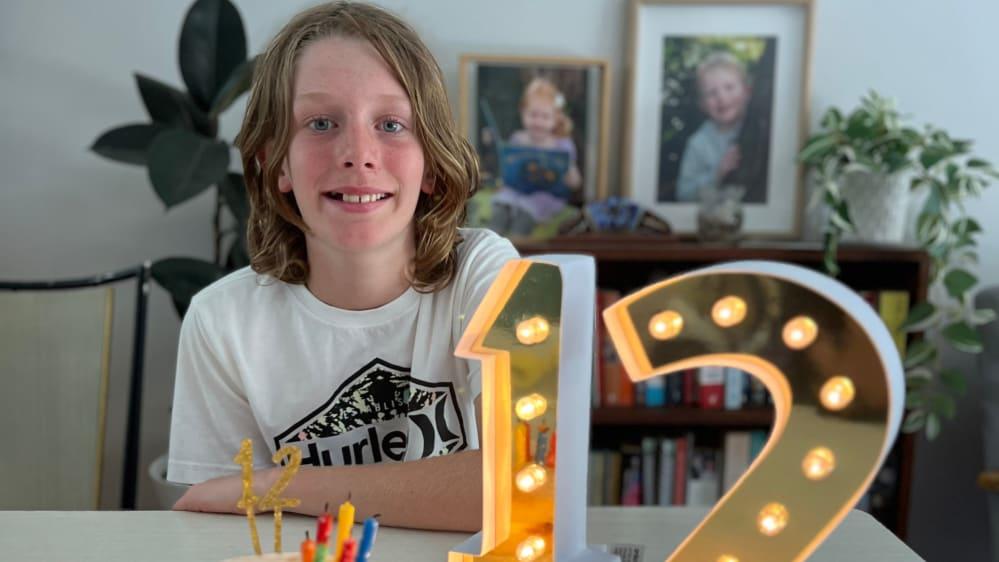
Doctors initially thought 11-year-old Hamish’s leg pain was normal teenage growing pains. However, after the pain became debilitating, Hamish’s parents took him to hospital where they received the devastating news that Hamish had stage 4 neuroblastoma. Hamish’s mum, Sarah, tells us their story,
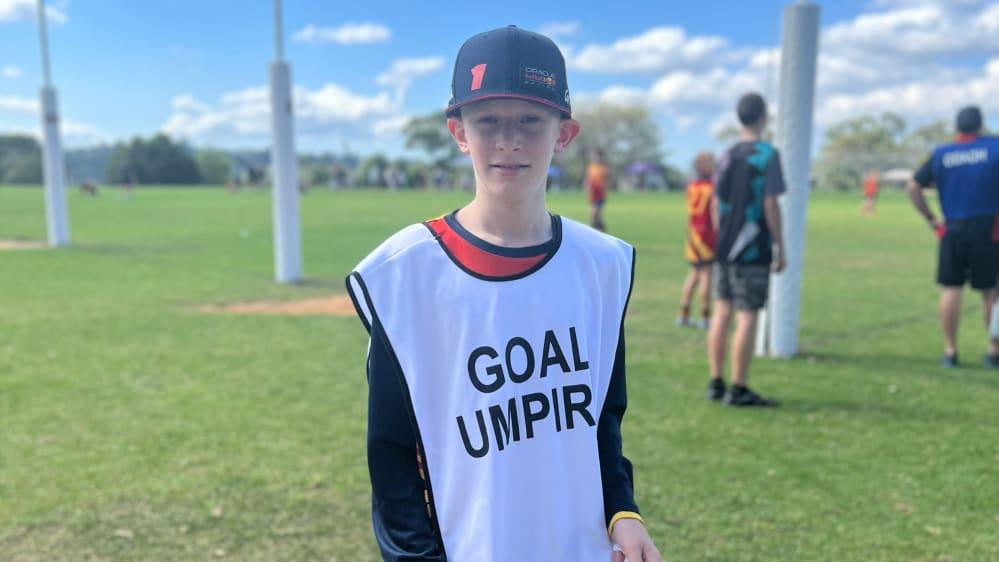
In 2023, Hamish was an incredibly active 11-year-old. He spent his days playing AFL football, cricket and basketball. If he wasn’t at sport, he was with his mates riding his bike.
We first started to notice something wasn’t right when sudden pains in his legs and hips stopped him in his tracks. But, the pains were short lived and he pushed through.
His GP ran a whole range of blood tests and x-rayed his knee and put his leg pains down to a common condition during growth throughout the teenage years.
He continued to push through the pain thinking he just had to put up with it until he finished growing. We started to get increasingly concerned when the pain became unbearable. He was losing sleep, his appetite had declined, and he started to rapidly lose weight.
But repeated blood work again showed nothing wrong. Thankfully his doctor was as concerned as we were and ordered tests to start ruling things out. In February 2024 Hamish had an x-ray of his abdomen to look at his heart. That led to the unexpected discovery of a very large mass on his adrenal gland. The GP immediately called us back to tell us it was either simply something that had been there since birth, or it was cancer. Given all his other symptoms, we were preparing ourselves for the worst.
The following week Hamish had a CT scan showing growths on bones throughout his entire body. There were ‘innumerable’ masses – literally too many to count.
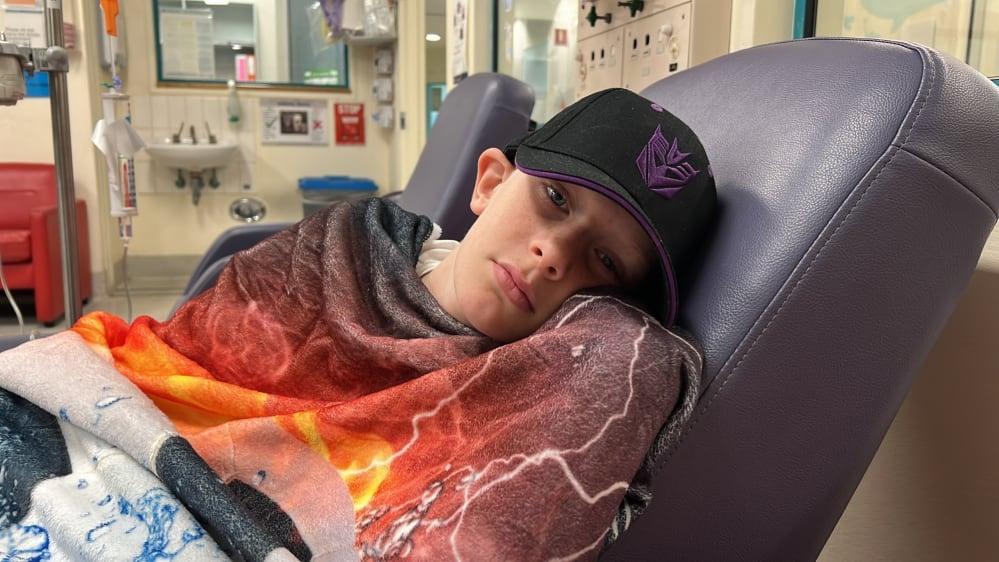
He then had biopsies of his bone marrow and the masses on his bones, a central line placed in his chest for treatment, a PET scan, and finally less than two weeks from his initial x-ray, he was hooked up to his first round of chemo.
His diagnosis is stage 4, high risk neuroblastoma. His treatment plan is extensive and toxic, literally every kind of treatment for cancer that we had ever heard of, he needs. He has had eight rounds of chemo, surgery to remove his adrenal gland, two rounds of high dose chemo followed by stem cell transplants for recovery and 12 rounds of radiation. As of April 2025, he is about to start six months of immunotherapy.
We have faced some challenges along the way. The first major challenge when the initial five rounds of chemo showed little to no improvement – the cancer cells weren’t responding.
At diagnosis, we had signed Hamish up to the Zero Childhood Cancer program – a research project looking to find more targeted treatments for kids with cancer. Because of this, his team found genetic mutations specific to Hamish’s cancer cells, and a targeted medication could be prescribed.
The drug is not commonly used for frontline treatment but is occasionally prescribed for compassionate reasons, and his medical team did an amazing job advocating for Hamish to get the approval for him. Once he started taking the drug, along with more chemo, the masses on his bones finally showed signs of regression. This really highlights the need for continued research into new and existing treatment options – ones that could be more effective and have less toxic side effects. We really don’t know what the outcome would have been had Hamish not had access to this medication.
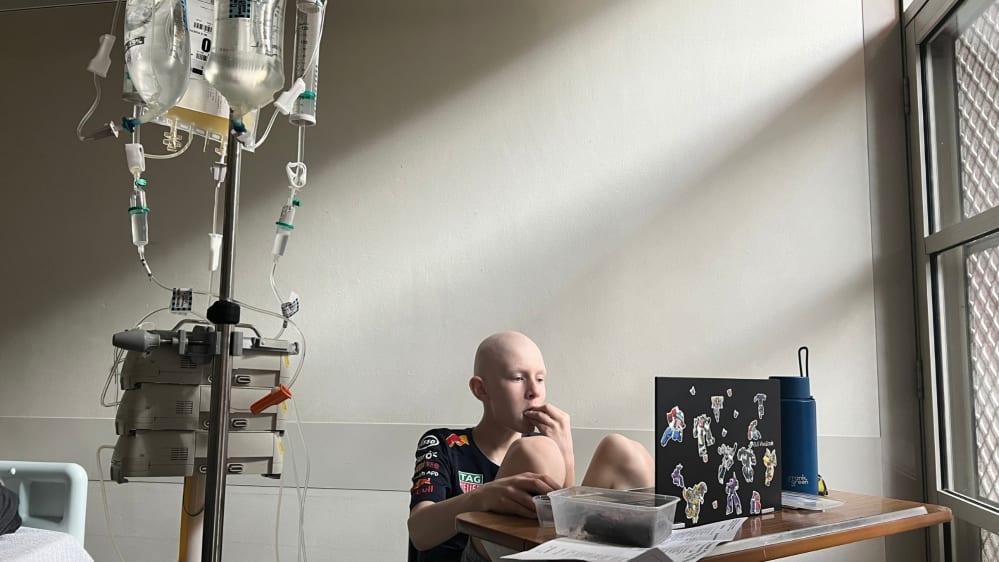
The other challenges we face are to do with Hamish’s age. Neuroblastoma almost exclusively affects kids under five. For Hamish to be diagnosed at 12 is extremely rare. Now, at 13, he is well and truly old enough to understand some of the issues he faces. He understands the side effects from the medications, both short and long term.
He knows exactly what he is missing out on – his old life feels like a distant memory. He is at the stage in his life when he should be spreading his wings and growing his independence. Instead, he spends all day at home, mostly isolated from his peers.
Keeping him enrolled at his local high school was too hard – it was near impossible for him to have any consistency with his education. He had only just started Year 7 at diagnosis, so he has missed out on those pivotal experiences with his friends, catching public transport, going on camps and school sports, learning how high school works.
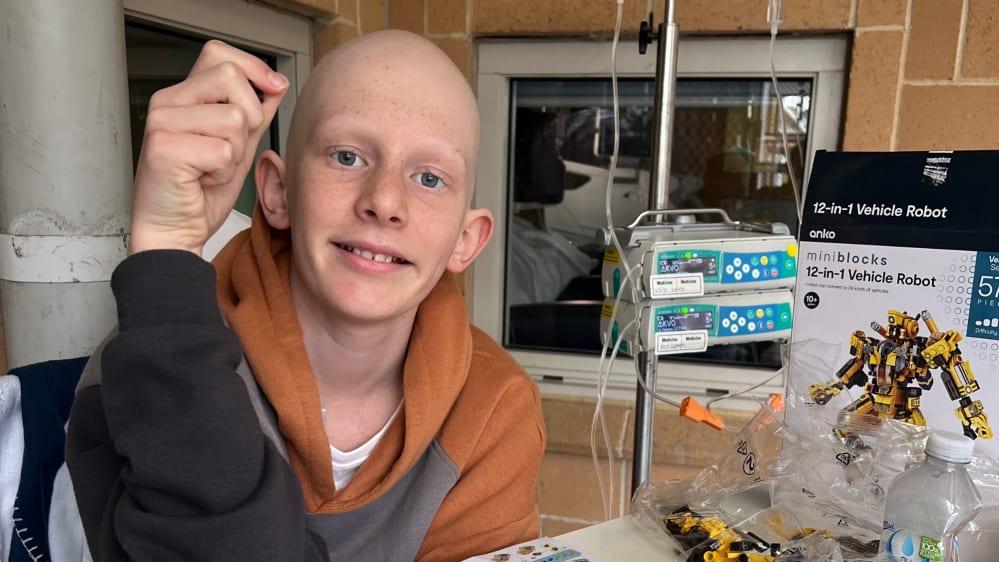
He is enrolled in distance education which has been an amazing resource and his school work has been a good distraction from the boredom, but it doesn’t replace what he would experience at school face-to-face.
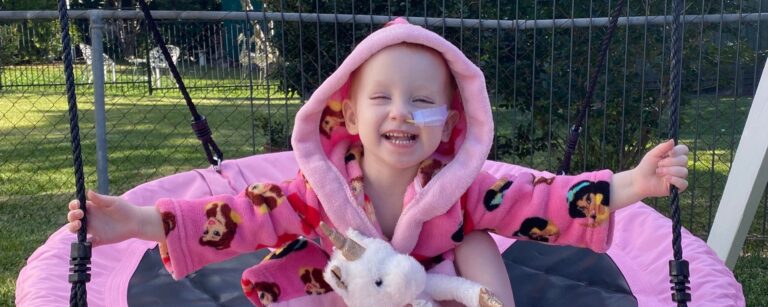
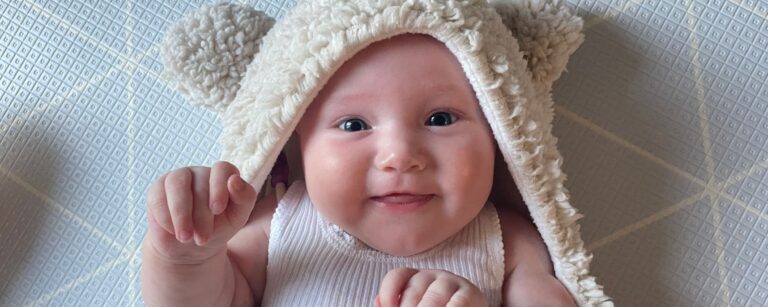
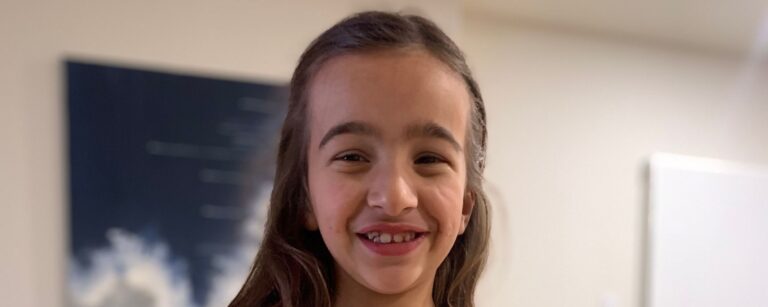
As a family, it has been hard. Hamish has two younger sisters, who are currently 10 and 2. His youngest sister was just 10 months old when he was diagnosed. Hamish’s dad runs his own personal training business, which means no paid leave. I sadly had to give up my job to be able to take on the role of full-time carer, while also managing a baby and primary schooler. As a family we have had to learn to go with the flow, not get attached to plans and to enjoy time together when it presents itself.
Our hope for Hamish is to finish treatment by the end of 2025, start maintenance therapy with DFMO after that, and hopefully get him back into being a teenager again. Life can’t ever go back to what it was before, but we just hope to see Hamish back on the basketball court and playing football again soon.