Chromatin and Mitochondria Directed Therapy
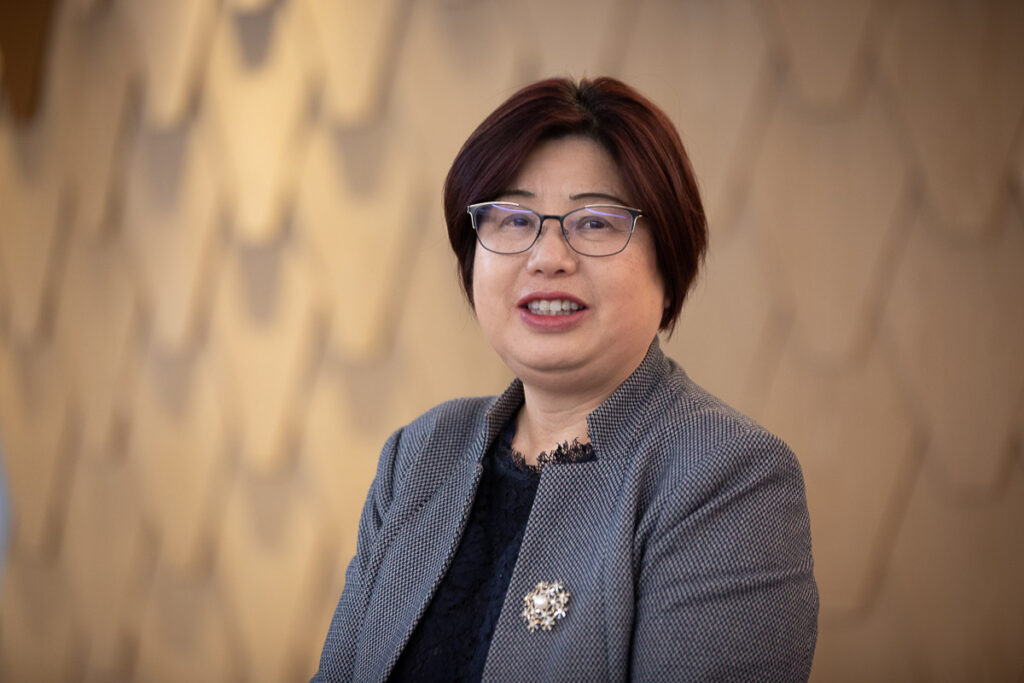
Neuroblastoma Australia is delighted to be partnering with the Kids’ Cancer Project to fund a project led by Assoc. Prof. Belamy Cheung, Principal Scientist – Program Manager, from the Children’s Cancer Institute. Following an in-depth review of Assoc. Prof. Cheung’s proposal by our world class Scientific Advisory Board it was we recommended support this research […]
Nanoparticle therapy study
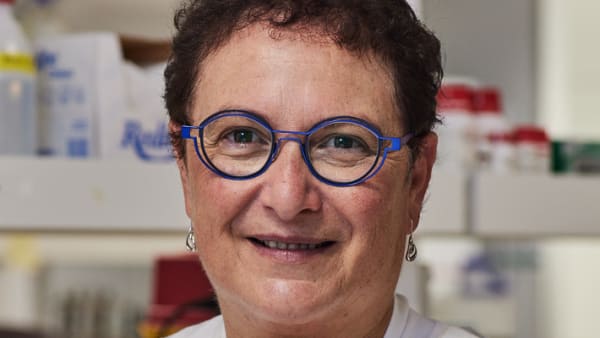
Following an in-depth review of 12 high-quality funding applications, our world class Scientific Advisory Board strongly recommended we fund two research projects in 2023 that demonstrated exceptional research quality and the potential to make a difference to treatments. Professor Maria Kavallaris from the Children’s Cancer Institute will study the potential for tailored treatment programmes through the use of nanoparticles to […]
Targeting tumour profiles
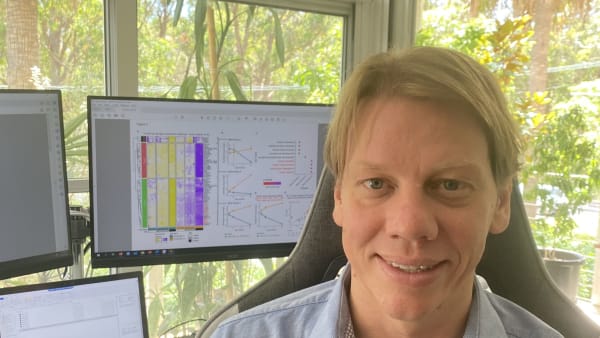
Following an in-depth review of 12 high-quality funding applications, our world class Scientific Advisory Board strongly recommended we fund two 2023 research projects that demonstrated exceptional research quality and the potential to make a difference to treatments. Assoc. Prof Daniel Carter from University of Technology Sydney will study the potential for tailored treatment plans that target the specific genetic profile […]
Zero Childhood Cancer Program
Zero Childhood Cancer (ZERO) is a very promising childhood cancer research initiative led by Children’s Cancer Institute and Kids Cancer Centre at Sydney Children’s Hospital, Randwick. It involves unprecedented collaboration between national and international research and clinical partners, ZERO is changing the model of care for children and young people with cancer. About ZERO national clinical trials Zero Childhood Cancer is […]
PDX modelling for research
Project 1 – Characterisation of high-risk neuroblastoma models to support translational research Under the leadership of Dr Jamie Fletcher and Dr Toby Trahair, we are supporting a new Children’s Cancer Institute project that hopes to develop highly detailed models representing the diversity of neuroblastoma. The project will conduct molecular characterisation of patient-derived xenograft (PDX) models from […]
CAR T cell therapy for neuroblastoma
This project, led by Dr Alla Dolnikov also at the Children’s Cancer Institute, is researching a new way to make CAR T therapy more effective in treating neuroblastoma tumours by suppressing the MYC oncogene. Currently CAR T therapy which is seen as a promising way of using the body’s own immune system to tackle cancer cells has […]
CBL137 combination therapies
Project 1 – CBL137 combination with other targeted therapies The next research project focuses on how CBL137 will work in combination with other targeted therapies with the aim that it can be optimised by to treat the cancer cells most effectively but with less damage to healthy cells. Children’s Cancer Institute has already identified an agent […]
Role of noncoding RNA MALAT1
We supported a project sponsored by Cancer Council NSW called “The critical role of the long intergenic noncoding RNA MALAT1 in Neuroblastoma” and it has been conducted by Dr Tao Liu of the Children’s Cancer Institute (UNSW). A protein called N-Myc is often associated with neuroblastoma – in fact the majority of patients who die from the disease have […]
Reducing survivor risks
Improving the long-term health of Australian childhood cancer survivors. While it is critical we continue to support research projects designed to improve the survival rates of children diagnosed with neuroblastoma, many children who do survive face ongoing physical and emotional health complications. These are often referred to as ‘late effects’. Current treatments, while necessary, are […]
Research into radionuclide therapy
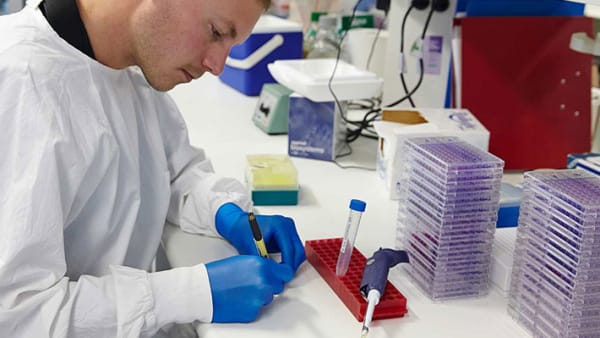
The development of new and more effective therapies is key to improving the outcomes for children with this devastating disease. The Peter MacCallum Cancer Centre has pioneered the use of peptide receptor radionuclide therapy (PRRT) in neuroblastoma as an alternative therapy, especially in cases that have failed conventional treatment approaches. Under the leadership of Prof Rod Hicks Molecular […]