
High-risk neuroblastoma cases with TERT oncogene rearrangement
Neuroblastoma is the most common solid tumour in early childhood and accounts for 15% of all childhood cancer death. Approximately a quarter of high-risk neuroblastoma is caused by TERT oncogene rearrangement.
Children with this subtype of neuroblastoma have less than 40% survival rate and are typically treated with surgery and toxic chemotherapy, meaning those that do survive often suffer life-long side effects.
The funding from Neuroblastoma Australia will allow our team at Children’s Cancer Institute to identify the specific drivers of TERT oncogene rearrangement in high-risk neuroblastoma and demonstrate novel therapies that specifically target these drivers.
We hope that, if successful, these novel therapies can be taken into clinical trials to see the first targeted therapy for patients with neuroblastoma due to TERT oncogene rearrangement, leading to better survival rates and better quality of life for children with this devastating childhood cancer.
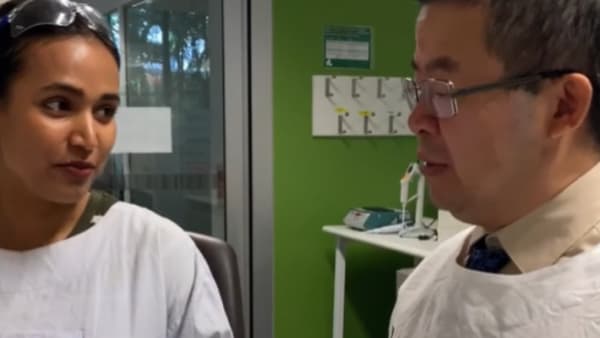
This first stage of this research has been undertaken by Associate Professor Tao Liu at the Children’s Cancer Institute.
Associate Professor Tao Liu
Watch his video update below.
Project Update
Following discoveries made in the initial project (above), AP Liu submitted a new grant proposal for $125,000. The proposal was assessed by our world class Scientific Board which approved and recommended Neuroblastoma Australia provide further funding from 2022 to 2024.
Assoc Prof Tao Liu is currently working on a paper to be published and we are hoping the next step is for some of the combinations he has tested which have been shown to be promising, will go into clinical trial. We are very grateful to Tour de Cure for their support for this research, awarding the project $10k through one of its 2024 Community Grants.
Donate to Fund Research
You can help fund groundbreaking research projects to find new, better treatments for children diagnosed neuroblastoma. Please donate today. If you want to help us support research, regular giving provides constant support, even $10 a month makes a difference.